Smartwatches have rapidly evolved from simple digital timepieces into powerful wearable devices that play a meaningful role in daily life. Whether you want to track your health,stay connected without constantly checking your phone or improve productivity,smartwatches are becoming an essential piece of modern technology.
But what is a smartwatch,how does it work and is it actually worth using?
This in-depth guide answers all of those questions clearly and honestly-without hype,sales pressure or confusing jargon.
What Is a Smartwatch?
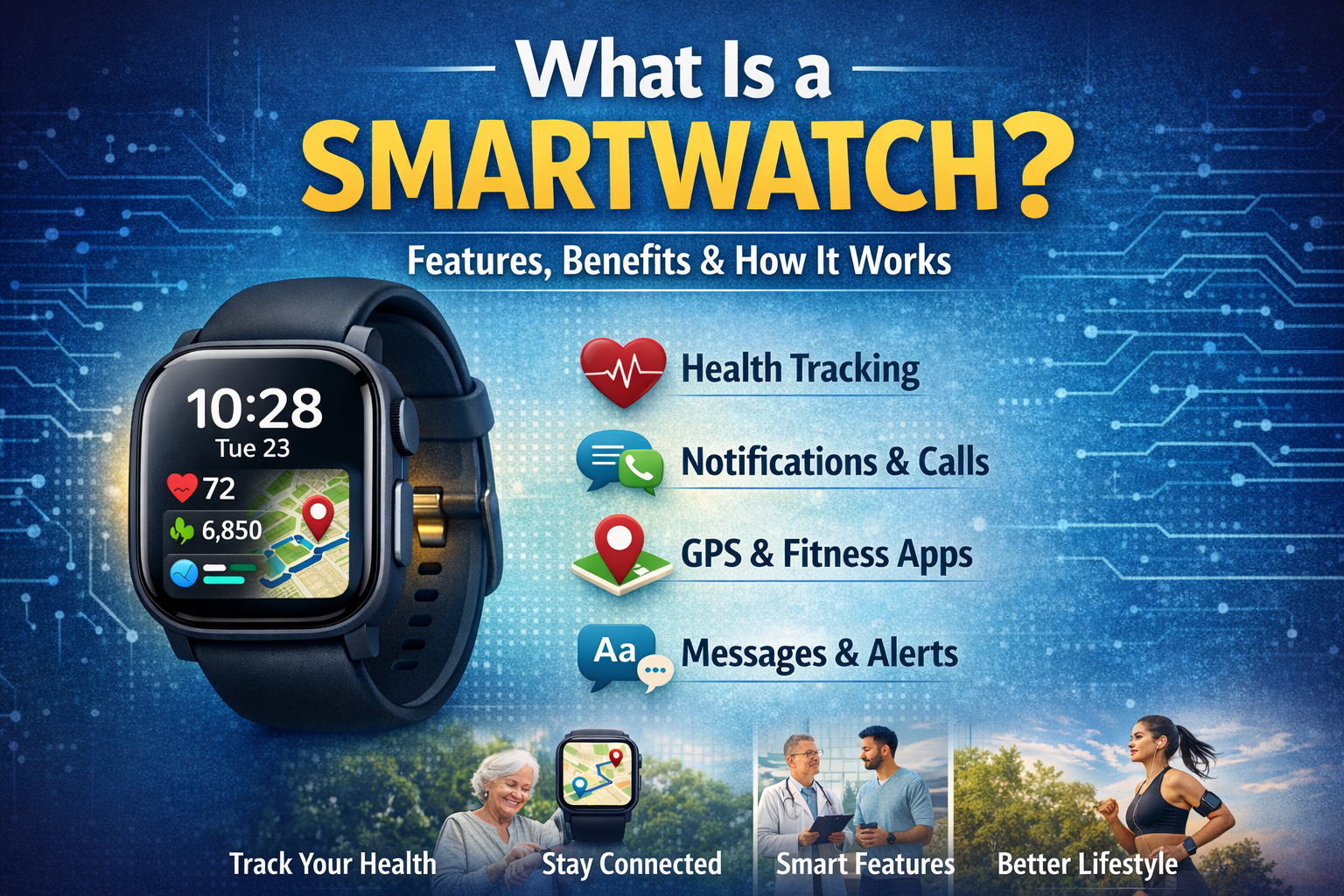
A smartwatch is a wearable electronic device worn on the wrist that connects to a smartphone or operates independently to provide digital features beyond telling time.
Unlike traditional watches,a smartwatch can:
- Display smartphone notifications
- Track health and fitness activity
- Monitor heart rate and sleep
- Run apps
- Make calls or send messages
- Use GPS, Wi-Fi, and Bluetooth
In simple terms,a smartwatch acts as a mini computer on your wrist,designed to make everyday tasks faster and more convenient.
How Does a Smartwatch Work?
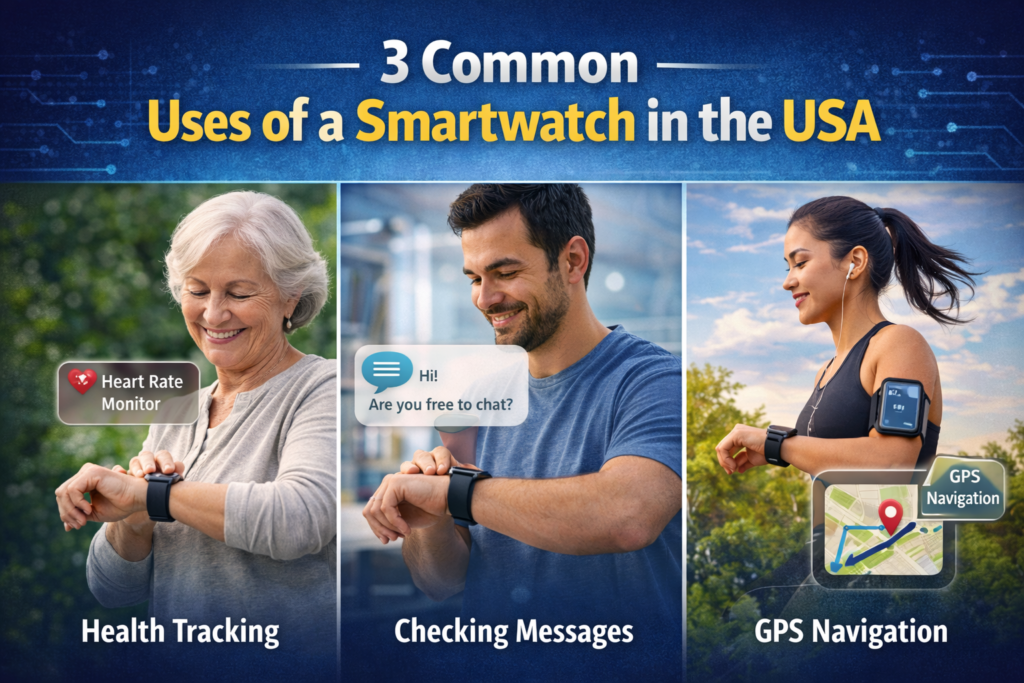
Most smartwatches work by pairing with a smartphone through Bluetooth,though newer models also support Wi-Fi and cellular connectivity.
Core Components of a Smartwatch
A smartwatch typically includes:
- A touchscreen display
- Sensors (heart rate,motion,oxygen,GPS)
- A processor and memory
- Battery and charging system
- Operating system (watchOS,Wear OS,HarmonyOS,etc.)
Once connected, the watch mirrors selected phone data-such as calls,messages and app alerts-while also collecting its own data through built-in sensors.
Some advanced smartwatches can function without a phone nearby,thanks to LTE or eSIM support.
Key Features of a Smartwatch
Smartwatch features vary by brand and model,but most modern devices include the following core functions.
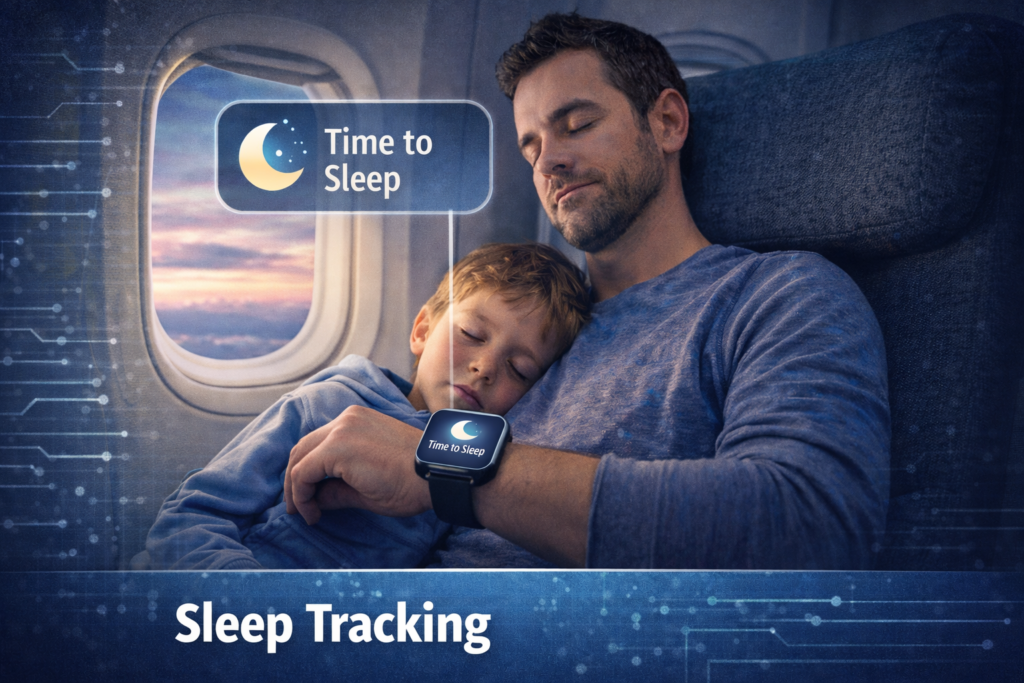
1. Health and Fitness Tracking
This is the most widely used feature of smartwatches.
Common tracking capabilities include:
- Step counting
- Calories burned
- Heart rate monitoring
- Sleep tracking
- Blood oxygen (SpO₂) measurement
- Stress tracking
- Workout detection
These features help users build healthier habits using real-time feedback and long-term data.
2. Notifications and Communication
Smartwatches allow you to:
- Receive calls,texts and app notifications
- Reply to messages using voice,keyboard or quick responses
- Reject calls or silence alerts discreetly
This is especially useful in meetings,workouts or situations where checking a phone is inconvenient.
3. Fitness and Sports Modes
Many smartwatches include pre-loaded workout modes such as:
- Walking and running
- Cycling
- Swimming
- Yoga
- Strength training
GPS-enabled watches can track outdoor routes,distance and pace with high accuracy.
4. Apps and Smart Functions
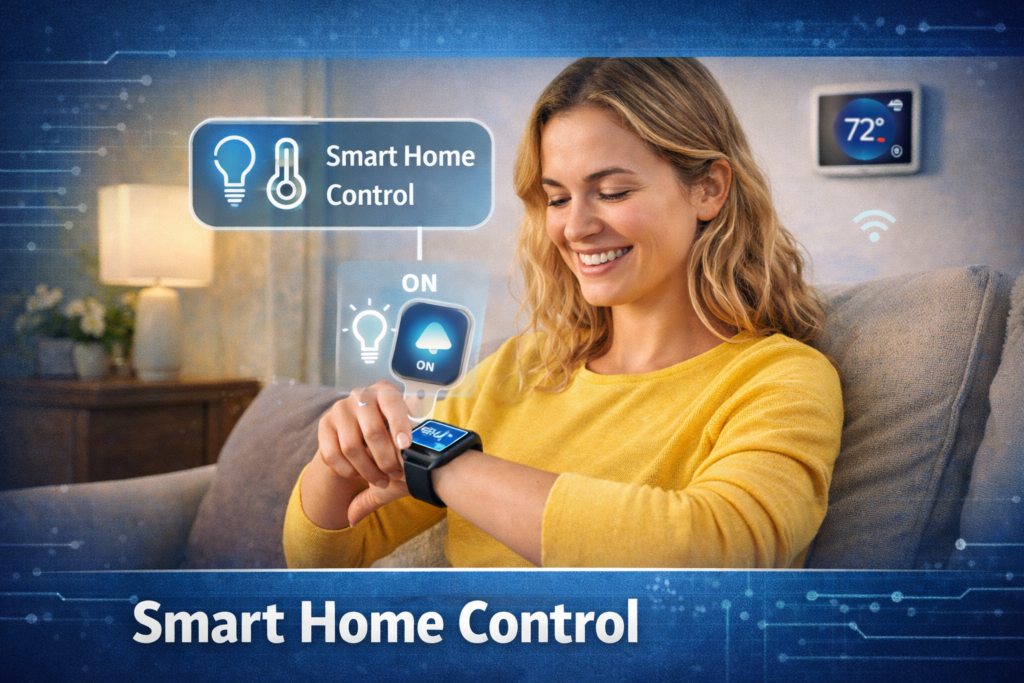
Depending on the operating system,smartwatches can run apps for:
- Music control and streaming
- Navigation
- Weather updates
- Reminders and alarms
- Smart home controls
While smartwatch apps are simpler than phone apps,they are designed for speed and convenience.
5. Battery and Charging
Battery life varies widely:
- Basic smartwatches: 7–14 days
- Advanced smartwatches: 1–3 days
Usage patterns, screen brightness,GPS and cellular features all affect battery life.
Smartwatch vs Traditional Watch
| Feature | Smartwatch | Traditional Watch |
| Timekeeping | Digital & customizable | Mechanical or quartz |
| Notifications | Yes | No |
| Health tracking | Yes | No |
| Battery | Needs charging | Months or years |
| Technology | High | Minimal |
| Style focus | Moderate | High |
A smartwatch prioritizes functionality, while a traditional watch prioritizes craftsmanship and style.
Types of Smartwatches
Not all smartwatches are the same. Understanding the types helps users choose the right one.
1. Full Smartwatches
Examples: Apple Watch, Samsung Galaxy Watch
Best for users who want advanced features, apps, and connectivity.
2. Fitness-Focused Smartwatches
Examples: Fitbit, Garmin
Designed mainly for health, workouts, and long battery life.
3. Hybrid Smartwatches
These look like traditional watches but include limited smart features such as activity tracking and notifications.
Benefits of Using a Smartwatch
1. Improved Health Awareness
Smartwatches help users:
- Stay active
- Monitor heart health
- Improve sleep quality
- Identify unhealthy habits early
For many users, this awareness leads to meaningful lifestyle changes.
2. Convenience and Time Management
Checking messages, setting reminders, or controlling music without touching a phone saves time and reduces distractions.
3. Safety and Emergency Features
Many smartwatches now include:
- Fall detection
- Emergency SOS calling
- Location sharing
These features are especially valuable for seniors, runners and people living alone.
4. Motivation and Accountability
Daily goals,reminders and progress tracking encourage consistency-one of the hardest parts of healthy living.
Limitations of Smartwatches (Honest Truth)
To maintain trust,it’s important to acknowledge limitations.
Battery Dependency
Frequent charging can be inconvenient,especially for heavy users.
Not Medical Devices
Health data is useful but not a replacement for professional medical diagnosis.
Cost
High-end smartwatches can be expensive,especially with cellular plans.
Who Should Use a Smartwatch?
Smartwatches are ideal for:
- Fitness enthusiasts
- Busy professionals
- Health-conscious individuals
- Travelers and runners
- Seniors who need safety features
They may not be ideal for users who:
- Prefer long battery life without charging
- Value classic watch aesthetics over technology
Are Smartwatches Worth It?
For most users, yes-if the features match your lifestyle.
A smartwatch is worth it if you:
- Want to improve health habits
- Need quick access to notifications
- Value convenience and automation
It may not be worth it if you only need to tell time.
Smartwatch Operating Systems Explained
watchOS (Apple)
- Seamless integration with iPhone
- Best app ecosystem
- Strong privacy controls
Wear OS (Google)
- Works with Android phones
- Google services integration
- Broad hardware support
Proprietary Systems
Used by brands like Huawei and Garmin for battery efficiency and fitness focus.
Privacy and Data Security in Smartwatches
Modern smartwatches collect sensitive personal data.
Trusted brands protect this data by:
- Encrypting health information
- Allowing user permission control
- Offering data deletion options
Users should always review privacy settings carefully.
How to Choose the Right Smartwatch
Before buying, consider:
- Phone compatibility
- Battery life needs
- Health features required
- Budget
- Design preference
There is no “best smartwatch”-only the best one for you.
Final Thoughts: The Real Value of a Smartwatch
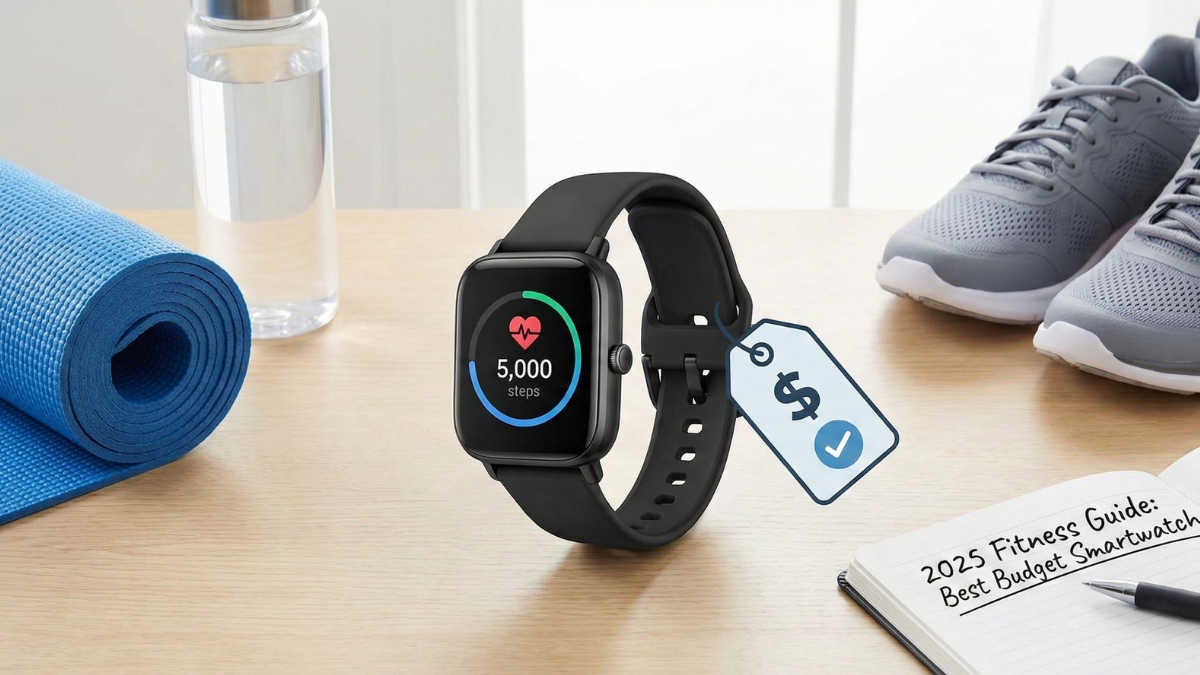
A smartwatch is not about replacing your phone-it’s about reducing friction in daily life. By putting essential information,health insights and quick actions directly on your wrist,smartwatches help users stay informed,stay active and stay connected without distraction. For many people,choosing the best budget smartwatch delivers these everyday benefits without the need to spend a premium price,making a smartwatch worth wearing every day.
- Stay informed
- Stay active
- Stay connected-without distraction
For many people,that convenience alone makes a smartwatch worth wearing every day.
What is a smartwatch used for?
A smartwatch is used for health tracking,notifications,fitness monitoring,communication and daily convenience.
Do smartwatches work without phones?
Some models work independently using cellular or Wi-Fi,but most perform best when paired with a phone.
Can a smartwatch replace a phone?
No. A smartwatch complements a phone but does not replace it.
Are smartwatches safe to wear all day?
Yes. Smartwatches emit very low radiation and are considered safe for daily use.